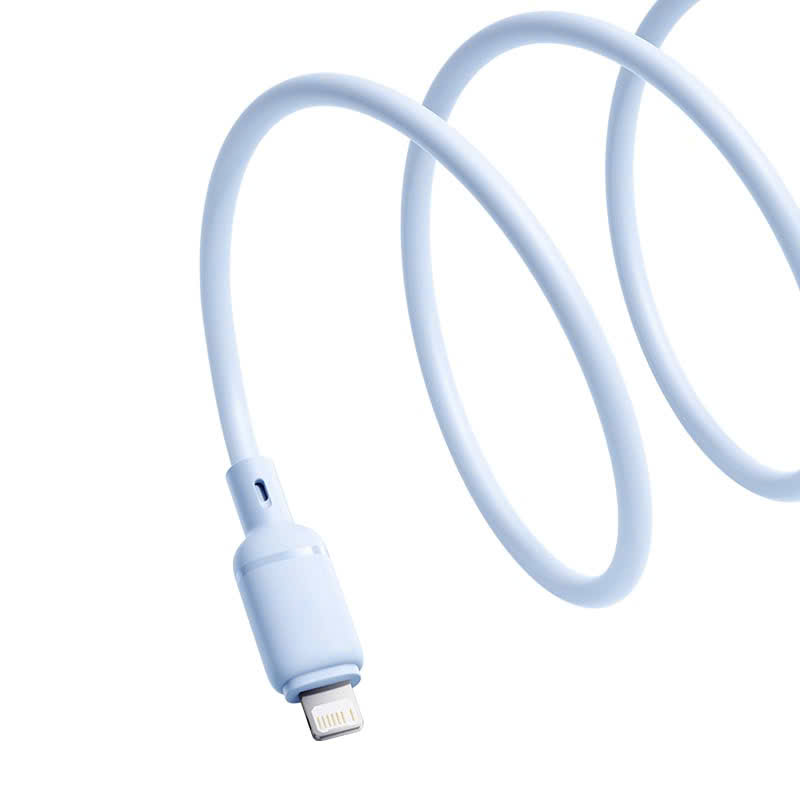
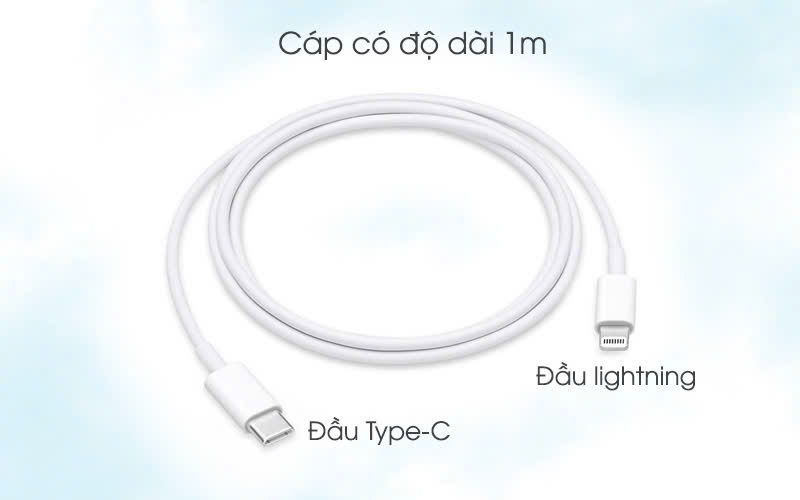
MyMy Technology Factory Manufactures iPhone Charging Cables in Vietnam
MyMy Technology Factory Manufactures iPhone Charging Cables in Vietnam
In recent years, phone charging technology has made tremendous strides. While users were previously only familiar with 5W chargers, many high-end smartphones now offer a wider range of charging options.MyMy Technology Wireless charging supports 45W, 55W, or even higher speeds. However, despite rapid technological advancements, wireless charging remains significantly slower than wired charging. This has led many users to question why wireless charging is slower than wired charging, and whether this gap will narrow in the future. This article will provide a detailed analysis of the reasons, operating mechanisms, and development trends of these two popular charging technologies.
Comparing Wireless and Wired Charging Speeds -MyMy Technology
Over the past five years, wireless charging speeds have increased from around 5W to 10W or 15W on some devices. This is a significant improvement, but it's still quite modest compared to wired charging. Many high-end phones like the Galaxy S20 or Huawei Mate X support 45W and 55W fast charging via cable. Meanwhile, wireless charging on these devices typically only reaches 15W or lower.
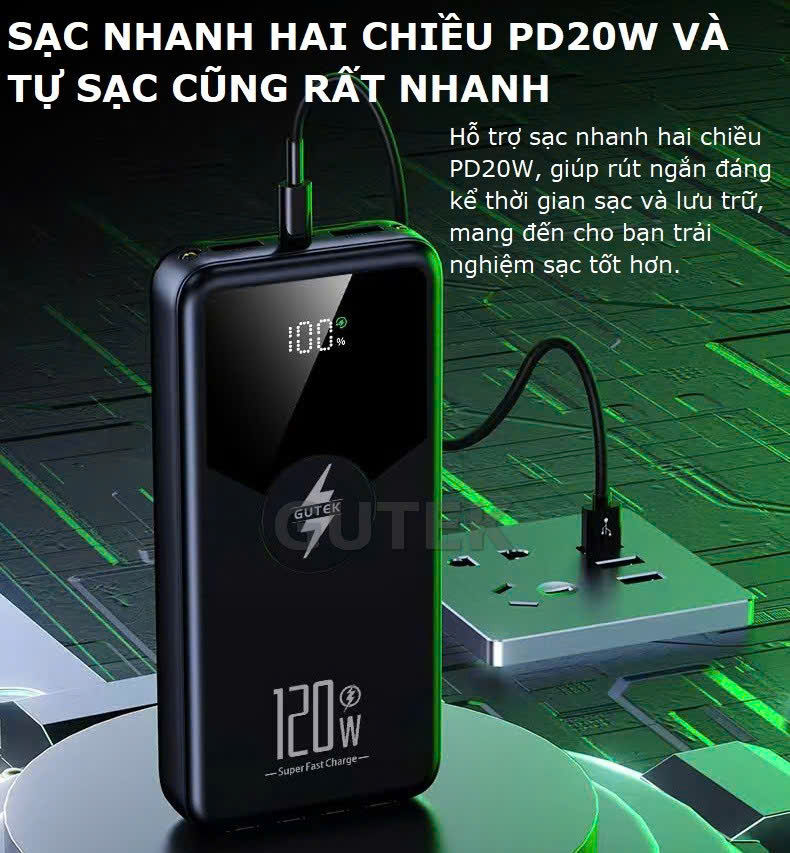
This difference in power output results in significantly different charging times. While wired charging can fully charge a battery in about 45–60 minutes, wireless charging can take one and a half or even twice as long. This directly impacts the user experience, especially in situations requiring fast charging.
How Wireless Charging Works -MyMy Technology
To understand why wireless charging is slower than wired charging, it's first necessary to grasp the operating principle of this technology. Wireless charging works based on magnetic induction and magnetic resonance. When the charger is plugged into a power source, current flows through a coil inside the charging base, creating a magnetic field. This magnetic field then interacts with the coil inside the phone, generating an electric current to charge the battery.
The most popular technology currently is the Qi standard. Qi-enabled devices are compatible with many different charging pads. However, each standard and manufacturer will have different power limits. Some devices are equipped with dedicated coils and controllers to take advantage of 15W wireless charging, while many others only achieve 5W or 10W.
Lower Energy Transmission Efficiency -MyMy Technology
The biggest reason wireless charging is slower than wired charging lies in energy transfer efficiency. When using a charging cable, current is transmitted directly from the charger to the battery through the wire, resulting in very low energy loss. In contrast, wireless charging converts electrical energy into magnetic field and then back into electrical energy. This process generates significant energy loss.
According to several studies, wireless charging can waste between 20% and 70% of energy depending on usage conditions and device quality. This lost energy is primarily converted into heat. Therefore, phones often heat up during wireless charging, especially if placed incorrectly or using a thick phone case.
Temperature and Battery Safety Issues -MyMy Technology
Temperature is a crucial factor affecting the speed and safety of the charging process. Lithium-ion batteries in smartphones are very sensitive to heat. When the temperature rises, the battery management system will automatically reduce the charging power to protect the device. This limits the speed of wireless charging.
If wireless charging power is increased too much, the amount of heat generated will be even greater, potentially damaging the battery and internal components. Excess heat can reduce battery lifespan, cause battery swelling, or even pose a fire hazard in severe cases. For this reason, manufacturers often prioritize safety over power output in wireless charging technology.
Accuracy and Transmission Range -MyMy Technology
Unlike wired charging, which simply involves plugging the cable into a charging port, wireless charging requires the coil inside the phone to be positioned correctly relative to the coil in the charging base. If misaligned, the transmission efficiency will be significantly reduced, resulting in slow charging or even no charging at all.
Additionally, wireless chargers are equipped with a metal object detection feature. If a key, coin, or other metal object is detected nearby, the charger will automatically shut off to prevent the object from overheating. This is a necessary safety feature, but it also makes it difficult for this technology to achieve the same powerful charging speeds as wired chargers.
Why Manufacturers Focus on Developing Wired Chargers -MyMy Technology
Due to performance and temperature limitations, many technology companies are focusing their investment on wired fast charging. Current wired charging technology incorporates current management chips, intelligent current splitting mechanisms, and temperature control, enabling high power output while ensuring safety.
In addition, wired charging is not dependent on the device's placement and is less affected by external factors. This results in a more stable and reliable experience, especially in work environments or while traveling.
The Future of Wireless Charging -MyMy Technology
Although wireless charging is currently slower than wired charging, the technology is constantly improving. Manufacturers are researching new materials for coils, improving control algorithms, and enhancing transmission efficiency to reduce energy loss. Additionally, remote wireless charging technology is also being tested, opening up significant potential for the future.
However, to achieve the same power output as wired charging while ensuring safety and efficiency, wireless charging needs more time to develop. Currently, wireless charging is suitable for everyday convenience, while wired charging remains the optimal choice for high-speed charging.
Conclude
Wireless charging is slower than wired charging primarily due to lower power transfer efficiency, higher heat generation, the need for precise positioning, and battery safety limitations. While wired charging transmits power directly with low losses and better heat control, wireless charging involves multiple energy conversion steps, leading to energy loss and reduced speed.
However, each technology has its own advantages. Wireless charging offers convenience, neatness, and a modern look, while wired charging ensures speed and efficiency. Choosing the right charging method depends on individual needs. In the future, with the continuous advancement of technology, the gap between these two charging methods may be significantly narrowed.
MyMy Technology Factory Manufactures iPhone Charging Cables in Vietnam