The High-Speed Connection: Manufacturing Fast Charging Cables for iPhone and iPad in Vietnam
: Why "Fast Charging" Demands Advanced Cable Technology

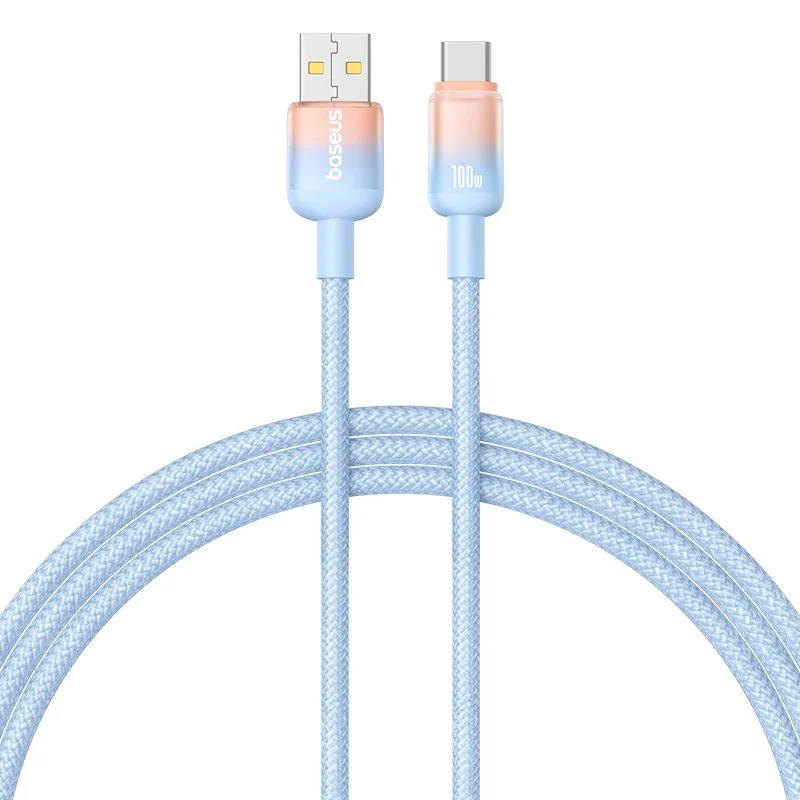
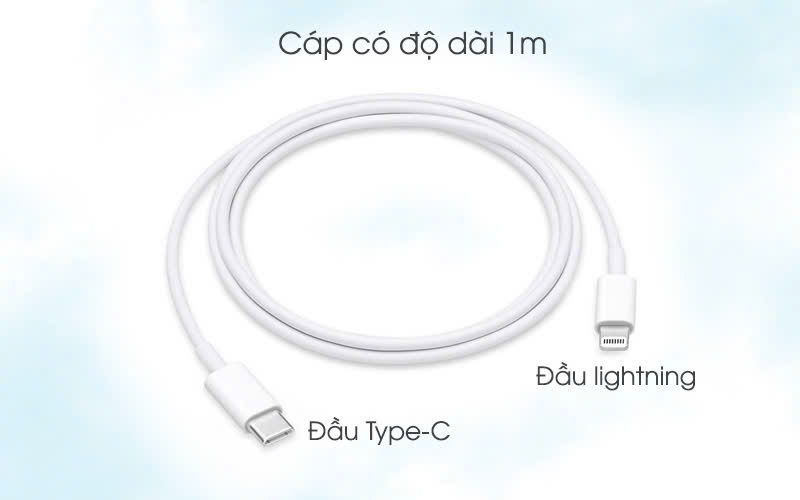
The era of slow, low-wattage charging is over. Modern iPhones and iPads demand Fast Charging, typically utilizing the USB Power Delivery (PD) protocol and requiring USB-C to Lightning or USB-C to USB-C cables. This shift significantly elevates the technical specifications required for the charging cable itself.
A fast charging cable is a precision instrument. It must safely handle higher currents (amperage) and voltages (up to 20V for some iPad Pro models) while ensuring zero signal loss for data transfer. Manufacturing these cables requires specialized materials, exact construction, and mastery of connector technology.
This article explores the technical demands of producing high-speed charging cables and examines how Vietnamese manufacturers are stepping up to meet these stringent requirements, ensuring quality that satisfies the high standards of the Apple ecosystem.
Understanding the Technology: USB-C, PD, and the E-Marker Chip
To be a "fast charging" cable capable of powering an iPhone or iPad at speeds of 20W, 30W, or more, the cable must incorporate several key technologies:
1. Power Delivery (PD) Compliance
The cable must be designed to safely carry the increased power required by the PD standard. This means:
-
Thicker Power Wires (Lower Gauge): The internal copper conductors carrying the power must be thicker to minimize resistance ($R$), which reduces heat generation and prevents voltage drop. This is crucial for maintaining the intended fast-charging speed. The power loss is defined by $P_{\text{loss}} = I^2 R$, where $I$ is the current.
-
Superior Shielding: The cable needs high-quality shielding (often multiple layers of aluminum foil and braided copper) to protect the sensitive data lines from electromagnetic interference (EMI) generated by the high-power flow.
2. The E-Marker Chip (Electronically Marked Cable)
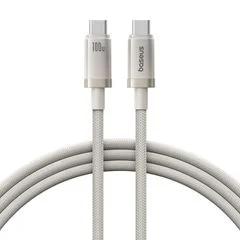
For cables capable of carrying very high power (typically 60W and above, and required for certain USB-C to USB-C configurations for iPad Pro or MacBook charging), a small E-Marker chip is embedded within the connector.
-
Cable Identity: This chip communicates the cable's characteristics (power capability, data speed, manufacturer ID) to the connected devices. This negotiation ensures that a 100W power source will not attempt to overload a cable only rated for 60W, thus preventing overheating and damage.
-
Vietnamese manufacturing excellence in this area involves the precise soldering and sealing of this miniature, critical integrated circuit (IC) within the connector shell.
3. MFi (Made for iPhone/iPad) Certification for Lightning
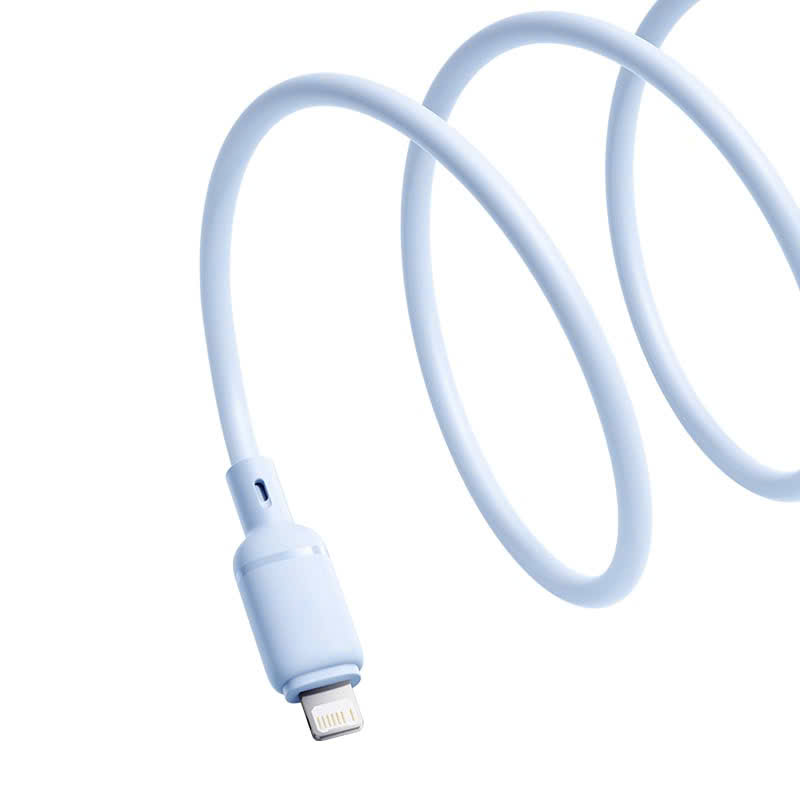
While newer Apple products transition to USB-C, the massive installed base of older iPhones and iPads still requires the USB-C to Lightning cable. This cable is the most technically complex to manufacture due to Apple's proprietary authentication chip, which is required for MFi compliance.
-
Manufacturers in Vietnam, like MyMy Technology, must demonstrate the ability to source, integrate, and precisely weld this MFi authentication chip, which is essential for ensuring the cable works reliably with every iPhone and iPad model.
Advanced Materials and Construction: The Vietnamese Approach
Vietnamese manufacturers are investing heavily in the materials science and engineering required to produce truly durable and high-performing fast charging cables:
| Component | Manufacturing Requirement | Vietnamese Focus |
| Conductor | High-purity, low-gauge copper wiring for minimal resistance. | Sourcing premium, high-conductivity copper for reduced power loss. |
| Connector | Precision metal stamping and tight tolerance fitting (especially for USB-C). | Utilizing CNC machining and robotic laser welding for precise, consistent contacts and strong strain relief. |
| Jacket/Sheath | Materials like TPE (Thermoplastic Elastomer) for flexibility, or durable Braided Nylon. | Emphasis on high-cycle durability testing (bend tests) to guarantee the cable withstands thousands of uses without fraying. |
| Strain Relief | High-quality plastic or rubber molding where the cable meets the connector. | Injection molding processes are optimized to eliminate weak points, which is the most common failure mode of a cable. |
MyMy Technology: Mastering the Fast Charge Cable Segment
MyMy Technology exemplifies the Vietnamese commitment to mastering the production of fast charging cables. Their competitive edge lies in the intersection of advanced equipment and rigorous process control:
1. Precision Connector Assembly
The ability to manufacture the small, robust connector (be it Lightning or USB-C) is the technical bottleneck. MyMy utilizes specialized, high-precision tools for this phase:
-
Robotic Welding for Longevity: The use of automated laser welding ensures that the critical internal data and power wires are fused to the connector pins with a uniform, high-strength bond. This process is crucial for preventing intermittent charging issues under the high thermal stress of fast charging.
-
Clean Room Environment: Certain assembly steps for the sensitive components and E-Marker chips may require controlled (though not necessarily clean-room class 100) environments to prevent contamination that could lead to signal degradation.
2. Integrated Quality Control (QC) for High Current
For fast charging cables, QC goes beyond simple connectivity tests:
-
Load and Thermal Testing: Cables are tested under maximum rated load (e.g., 60W) for extended periods to monitor thermal runaway and ensure the cable remains within safe operating temperatures. Excessive heat indicates high resistance and a poorly constructed cable.
-
Data Integrity Testing: Since these cables are also used for high-speed data sync (e.g., 480 Mbps for USB 2.0 or 5/10 Gbps for USB 3.x), automated testing ensures the data signal remains clean and free of errors while simultaneously carrying high power.
The Ecosystem of Fast Charging Manufacturers in Vietnam
The success of fast charging cable production is also supported by the presence of large contract manufacturers and specialized component suppliers:
-
Luxshare-ICT & Foxconn: Their scale of operation creates massive demand for high-quality, high-power cables and internal wire harnesses, driving component suppliers to Vietnam.
-
Eminence-Top: As a key wall charger manufacturer in Vietnam, their need for compatible, high-wattage cables creates a reliable internal market for local cable specialists.
-
International Brands (OEM/ODM): Global brands like Anker, Ugreen, and Aukey rely on capable Vietnamese facilities to produce their highly rated USB-C and Lightning charging cable lines. These firms demand their Vietnamese partners meet their brand specifications, often requiring MFi standards and certifications like UL (Underwriters Laboratories) for electrical safety.
Conclusion: Vietnam’s Future as a Fast Charge Hub
The production of fast charging cables for iPhones and iPads represents Vietnam’s successful entry into a sophisticated segment of the electronics supply chain. It requires a mastery of advanced materials science, micro-electronics, and automated precision engineering.
Vietnamese manufacturers, particularly forward-thinking domestic firms like MyMy Technology, are demonstrating their ability to integrate complex technologies—from the MFi chip to robotic welding—to produce cables that are not only durable but also compliant with the stringent safety and performance demands of USB Power Delivery.
As Apple continues its transition to USB-C across its product lines, the demand for high-quality, high-power Made in Vietnam cables will only accelerate, solidifying the country’s indispensable role in powering the world's most advanced mobile devices.
The High-Speed Connection: Manufacturing Fast Charging Cables for iPhone and iPad in Vietnam