The Ninth Stage: Precision Assembly Inside the iPhone Charger Manufacturing Workshops in Vietnam
Introduction: The Fusion of High Voltage and High Tech MyMy Technology
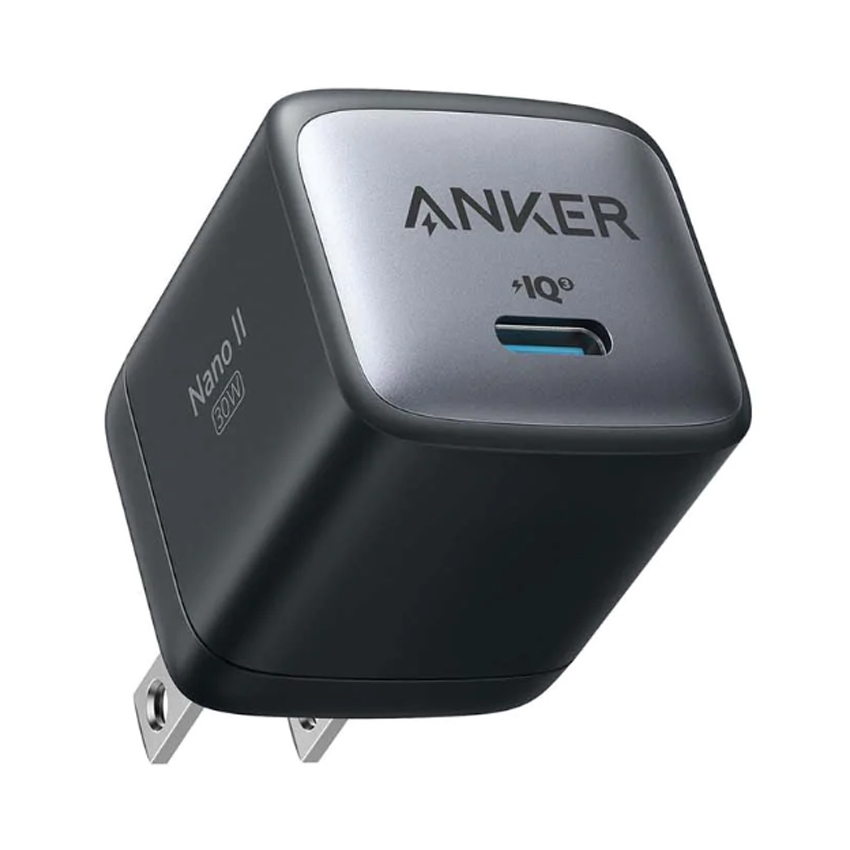
The workshops in Vietnam dedicated to producing fast charging adapters for iPhones and iPads are among the most technically demanding facilities in consumer electronics. Unlike cable assembly, charger production deals directly with converting high-voltage AC current into safe DC power, requiring absolute precision in assembling components, especially those utilizing advanced Gallium Nitride (GaN) technology.
This article details the specialized environment and rigorous operational flow inside these Vietnamese power electronics workshops, showcasing how manufacturers ensure every adapter meets global standards for safety, efficiency, and size—critical factors for the Apple ecosystem.
1. The Environment: Controlling the Variables MyMy Technology
The successful assembly of high-frequency power circuits demands a tightly controlled environment that is cleaner and more regulated than standard assembly floors.
A. Automated SMT and PCBA Section
The heart of the charger is the PCBA (Printed Circuit Board Assembly). This area is highly automated and controlled:
-
Cleanliness and Temperature Control: While not a "clean room" in the semiconductor sense, the PCBA section maintains very high standards of cleanliness to prevent dust or debris from interfering with the soldering process or shorting high-density circuits. Temperature and humidity are strictly maintained to optimize the performance of the solder paste used in Surface Mount Technology (SMT).
-
Automated Component Placement: Multi-million dollar SMT pick-and-place machines precisely position thousands of components, including the tiny GaN switches, ICs (Integrated Circuits), and other power management components, onto the PCB with sub-millimeter accuracy. This automation is non-negotiable for producing reliable high-frequency GaN circuits.
B. Robust ESD and Grounding Protocols
Due to the sensitive nature of the ICs and power management components, strict ESD (Electrostatic Discharge) control is enforced throughout the workshop, mirroring cable production but often with even greater stringency due to the complexity of the PCB. Proper grounding is essential to protect components and, crucially, to maintain worker safety in a high-voltage environment.
2. Operational Flow: Assembly and Encapsulation
The process moves from the fully automated PCBA stage to final assembly and encapsulation, where safety is built into the physical structure of the product.
A. Internal Wiring and Soldering
-
Transformer and Capacitor Installation: Larger components like the transformer (critical for voltage conversion) and large capacitors are often installed manually or semi-automatically. This process requires highly trained technicians to ensure robust soldering, as these components endure the most heat and electrical stress.
-
Flyback Topology Assembly: Fast chargers often utilize advanced flyback converter circuits. The workshop must ensure that the winding and connection of inductors and transformers are perfectly executed to maintain the charger’s efficiency and Power Delivery (PD) capabilities.
B. Casing Assembly and Ultrasonic Welding MyMy Technology
-
Thermal Design Verification: Before closing the casing, technicians verify the placement of any heat-dissipation materials (thermal pads or pastes) against the hottest components (often the GaN switch or the main controller IC).
-
Final Encapsulation: The casing pieces are often joined using ultrasonic welding—a vibration-based process that fuses the plastic without adhesives. This creates an extremely strong, seamless, and tamper-resistant seal, critical for maintaining the charger's safety rating and insulation integrity.
3. Safety and Quality Control Gates (The Most Critical Step)
In a Vietnamese charger factory, the final assembly line integrates several mandatory, non-negotiable safety tests. These tests are the factory's guarantee of safety for the end-user.
| QC Gate | Purpose | Technical Requirement |
| Hi-Pot (Dielectric Strength) Test | Preventing Electrical Shock. Confirms the integrity of the insulation between the high-voltage (AC input) and low-voltage (USB output) circuits. | Every unit is subjected to high-voltage stress (e.g., 3000-4000V for a few seconds) to confirm insulation does not break down. |
| Burn-In Test | Screening for Early Component Failure. Forces infant mortality in components under stress. | Thousands of chargers are tested simultaneously in dedicated chambers for 4 to 12 hours under maximum rated electrical load and often elevated temperatures. |
| Ripple and Noise Test | Protecting the iPhone/iPad Battery. Measures the smoothness of the DC output voltage. | Ensures the power output is stable and "clean" (low ripple noise), which is essential for protecting the delicate charging circuitry of the connected Apple device. |
| Power Delivery (PD) Compliance Test | Ensuring Fast Charging Works. Confirms the charger can communicate and correctly deliver negotiated power levels (e.g., 9V/2.22A for 20W PD). | Automated test benches simulate a device handshake to verify compliance with USB-PD standards. |
Vietnamese manufacturers, through investments in these specialized testing rigs, demonstrate their adherence to international safety certifications like UL, CE, and PSE.
Conclusion: Vietnam’s Commitment to Power Safety
The workshops producing high-speed iPhone and iPad chargers in Vietnam are defined by their commitment to safety and engineering precision. From the strict ESD-controlled environment of the PCBA section to the critical final Hi-Pot and Burn-In tests, every step is designed to eliminate risk and ensure reliability.
Vietnamese enterprises like MyMy Technology and others involved in GaN production are successfully managing the high-frequency demands and complex thermal challenges of modern power electronics. By prioritizing advanced automation and comprehensive, non-destructive safety testing on every single unit, these factories solidify Vietnam's reputation as a trustworthy and technologically capable hub for global power accessory manufacturing
The Ninth Stage: Precision Assembly Inside the iPhone Charger Manufacturing Workshops in Vietnam