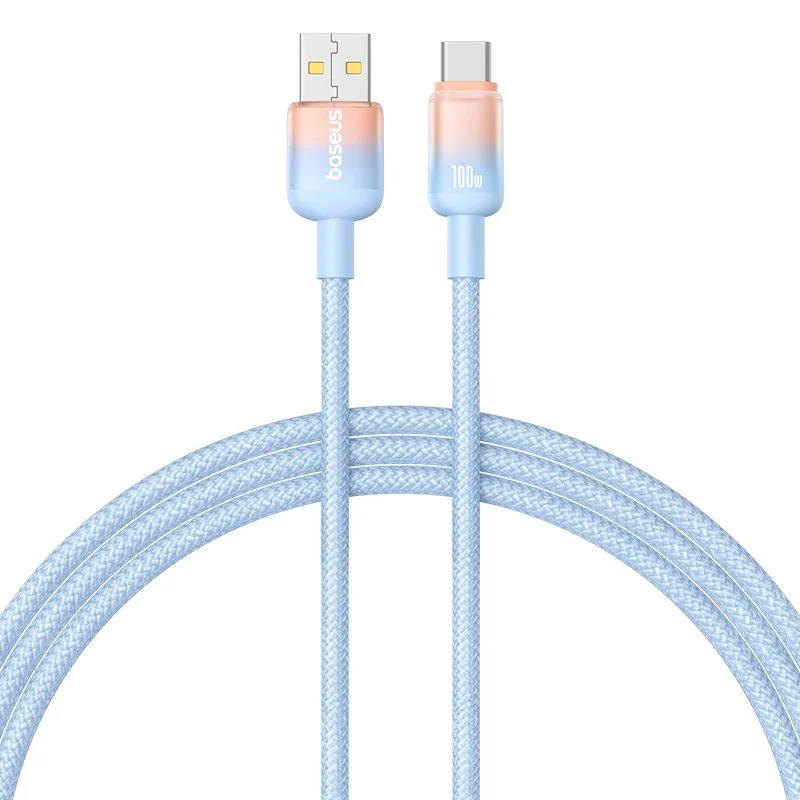
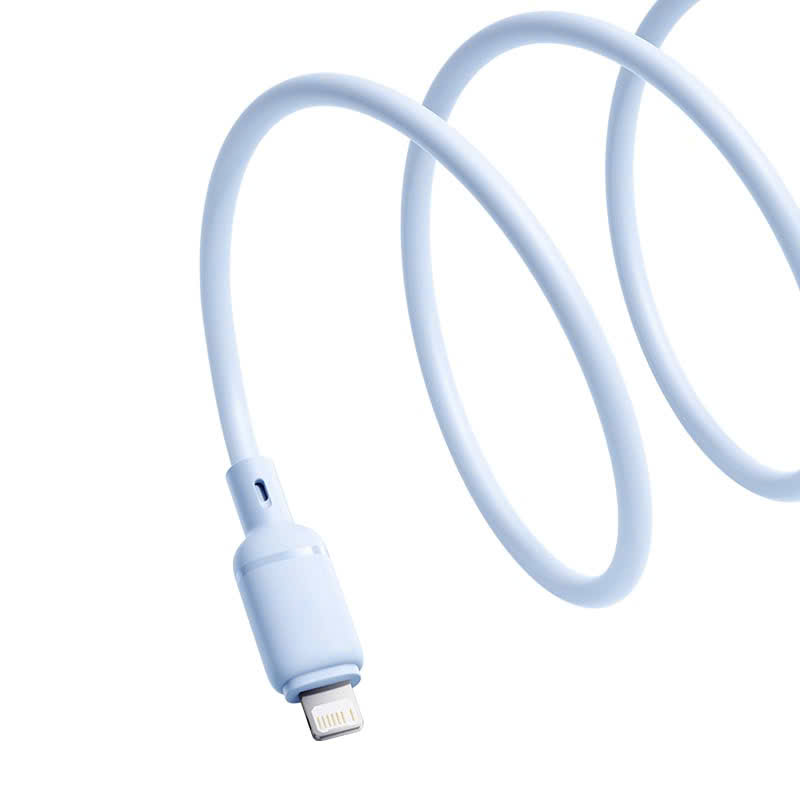
Company that manufactures phone charging cables in Vietnam.
Company that manufactures phone charging cables in Vietnam.
In the age of smartphones, charging cables are not just a connecting accessory, but an integral part of a smartphone.These are important techniques that determine the charging speed and safety of the device. MyMy Technology Company that manufactures phone charging cables in Vietnam. Reputation and in-depth knowledge of electricity are prerequisites for producing quality products.
This article will delve into the role of electrical components in a charging cable and their importance.
Current and Resistance: Factors Determining Charging Speed
Understanding electric current in a phone charging cable and resistance is the first step in evaluating cable quality.
1. Charging Current and Power - MyMy Technology
- What amperage does the charging cable support? The current carrying capacity (Amperes) of a cable is its basic limit. Common charging cables usually support 1A to 2.4A. Modern fast-charging cables need to support currents up to 3A, 5A (for proprietary charging technology), or higher.
- Charging power depends on the cable: Charging power (P) is calculated using the formula P = U times I (Voltage multiplied by Current). If the cable cannot transmit the high current (I) required by the charger, the actual charging power will be limited, slowing down the charging process.
2. The Role of Resistors
The role of resistors in charging cables. It is one of the most important technical factors. Resistance is the ability to oppose the flow of electric current through a conductor:
- Low resistance allows for faster charging:High-quality charging cables use thick, pure copper cores to minimize resistance. Low resistance enables faster charging.Because it allows high currents to pass through without significant energy loss.
- High resistance causes charging cables to overheat: Conversely, poor-quality cables have high electrical resistance. Energy is lost as heat, leading to high resistance causes the charging cable to overheat and the charger, which is dangerous and wastes energy.
Voltage Drop and Its Impact on Charging Performance - MyMy Technology
Voltage drop is the phenomenon where the voltage decreases along the transmission path (from the charger to the phone's port).
1. The Phenomenon and Causes of Pressure Drop
- Voltage drop in charging cables: This is the difference between the input voltage (from the charger, usually 5V) and the output voltage (at the phone's port). Voltage is lost during transmission due to the resistance of the cable.
- Causes of voltage drop during charging:
- Cable length:The longer the cable, the higher the resistance, and the greater the voltage drop.
- Core material:Thin, impure copper cores are the leading cause.
- High current: When electric current in a phone charging cableVoltage spikes (fast charging) and voltage drops are more likely to occur if the cable is not up to standard.
2. The Effect of Voltage Drop on Batteries - MyMy Technology
The effect of voltage drop on phone batteries.This is a serious issue that needs attention:
- Reduce charging speed:If the output voltage is too low (for example, below 4.5V), the phone's charging circuit will automatically reduce the current to protect the battery, significantly slowing down the charging process.
- Reduced battery life:Unstable charging, with varying speeds, or high temperatures due to high resistance can reduce the chemical lifespan of the battery.Charging cable and battery life. They are directly related.
The Role of the Manufacturing Company in Quality Control
One Company that manufactures phone charging cables in Vietnam. A reputable company must commit to thoroughly resolving the technical issues mentioned above:
1. Stable Current Transmission Capability
- Charging cable and stable current transmission: Manufacturers must ensure that the cable is capable of consistently transmitting high current without interruption or large fluctuations. This requires the manufacturing process of the copper (or tinned copper) core to meet standards of thickness (low AWG) and high purity.
- Safe current control during charging: Charging cables must incorporate a pull-up resistor chip (usually 56K Omega for Type-C cables) or an E-Mark chip (for high-power charging cables) to communicate with the charger and the device, ensuring proper operation.Safe current control during charging and prevent overcharging.
2. Technology and Testing - MyMy Technology
- Resistance Test:Manufacturers must test the internal resistance of the cable using specialized equipment. The maximum resistance for fast charging cables should typically be below 280 Omega (milliohm).
- Pressure Drop Test: The charging process is simulated at the highest current supported by the cable to measure the actual voltage drop. Products that meet the standards must have a voltage drop within acceptable limits (usually below 0.5V).
Strict adherence to these technical standards not only provides users with an optimal charging experience but also affirms the company's position. Company that manufactures phone charging cables in Vietnam on the market.