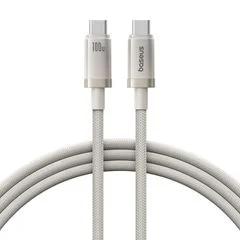
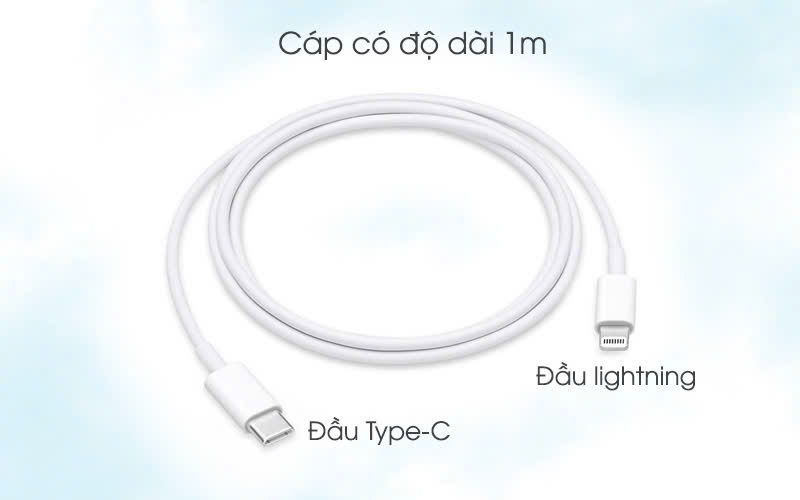
iPhone Charging Cable Made in Vietnam
iPhone Charging Cable Made in Vietnam
Slow iPhone charging is a frustrating issue for many users, especially when they have to wait hours for the battery to fully charge without knowing the reason. Many users suspect a worn-out battery or a faulty device, but the cause could actually be the charging cable, power adapter, power outlet, or even the software. In the context of a booming accessories market, iPhone charging cables manufactured in Vietnam are gradually asserting their important role in ensuring stable and safe charging speeds for devices.
Why is my iPhone charging slowly? Don't be quick to blame the battery. -MyMy Technology
When a device charges slowly, many people immediately think the battery is degraded. However, charging speed depends on many factors such as the power of the charger, the quality of the cable, the condition of the charging port, and the operating system. If any of these factors are problematic, the power transmission process will be interrupted or its efficiency will be reduced.
In the Apple ecosystem, devices are optimized for stable operation when using standard accessories. Therefore, if you use a low-quality cable or an incompatible adapter, the iPhone may automatically limit the charging current to ensure safety. This causes users to noticeably experience slower charging than usual.
The charging port is dirty or damaged. -MyMy Technology
A common but often overlooked cause is that the charging port is clogged with dust, lint, or small foreign objects. When the contact pins are not making full contact, the current flowing to the device is unstable, leading to intermittent or slow charging.
Cleaning the charging port can be done gently with a wooden toothpick or a specialized cleaning tool. Before cleaning, turn off the device and unplug all connected accessories. After removing dirt, try charging again and observe the speed. If there is a significant improvement, the problem was simply due to poor contact.
However, if the charging port has bent or oxidized contact pins, users should take the device to a technical center instead of attempting to fix it themselves.
The charger or cable could be the culprit. -MyMy Technology
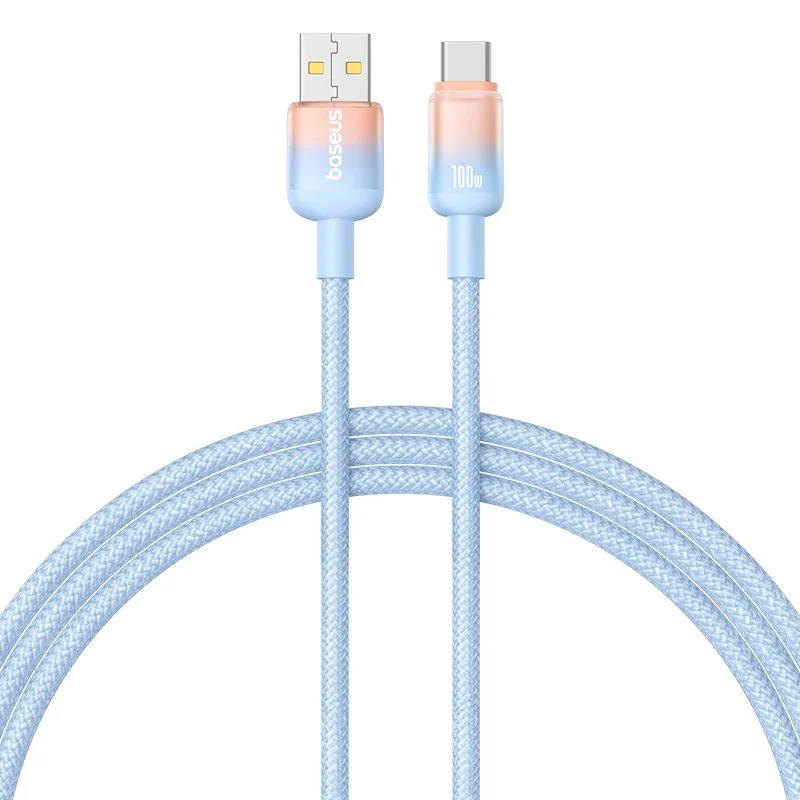
One of the most common reasons for slow iPhone charging is a substandard charging cable or adapter. The cable may have frayed outer insulation, internal copper core breaks, or use a wire gauge that is too small, causing increased resistance. When resistance increases, the voltage delivered to the device decreases, slowing down the charging process.
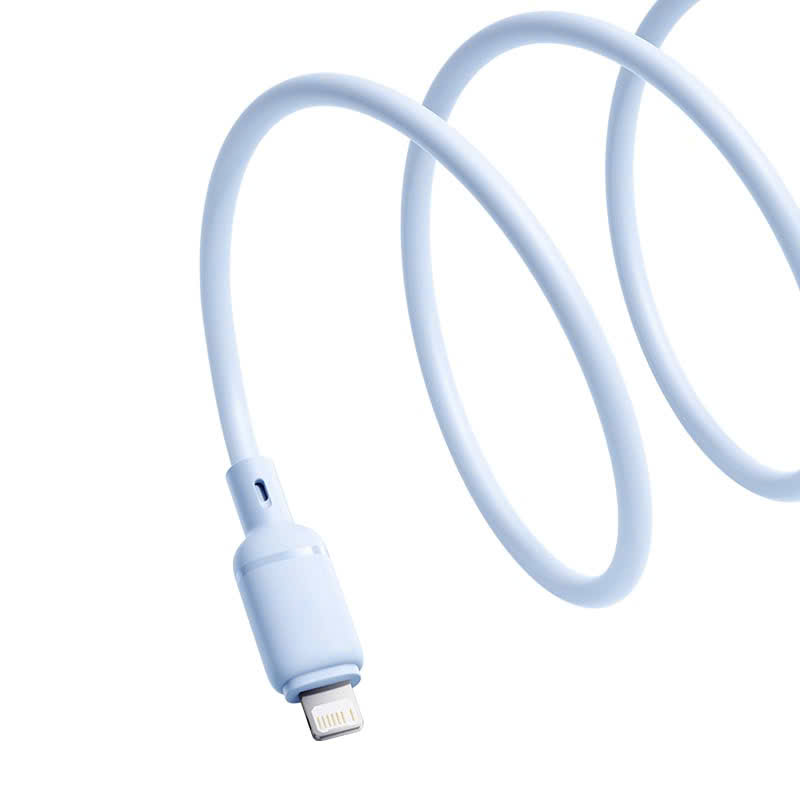
Reputable iPhone charging cable manufacturers in Vietnam typically use pure copper cores with a sufficiently large cross-section to support fast charging. The Lightning connector must have a compatible chip to ensure the device receives the correct power. If using counterfeit or unbranded cables, the iPhone may automatically reduce power output to prevent overload or overheating.
Additionally, cheap adapters with low-quality components can also cause slow charging or unusual overheating. Users should try replacing the cable or charger to check. Switching to a different power outlet can also help determine if the power supply is stable.
Unstable power outlets and power supply -MyMy Technology
The problem isn't always with the device or cable. Loose power outlets, poor contact, or unstable power systems can also cause insufficient power supply. When the power is weak, the charger can't operate at its full capacity, resulting in a reduced charging speed.
In older office or home environments, degraded wiring can cause slight voltage drops. This isn't easily noticeable, but it's enough to make charging take longer.
Software Error or iOS Update -MyMy Technology
Software issues can also cause slow charging. Sometimes, after an operating system update, the device may experience temporary glitches affecting power management. Checking and updating to the latest iOS version helps fix many battery and charging-related issues.
Additionally, if multiple applications are running in the background or the system is processing heavy tasks, the device will consume power simultaneously while charging. This results in a slower battery charging rate compared to when the device is idle.
The Role of iPhone Charging Cables Manufactured in Vietnam -MyMy Technology
Currently, many factories in Vietnam have invested in automated production lines to manufacture high-standard cables. The products not only focus on charging speed but also ensure electrical safety and mechanical durability. Multi-strand copper cores reduce electrical resistance, the flame-retardant sheath increases heat resistance, and the cable ends are securely molded to minimize breakage.
Domestic production allows for tighter quality control and reduces reliance on unregulated sources. Consumers can choose products with clear information about supported power capacity, testing standards, and transparent warranty policies.
How to Fix Slow iPhone Charging -MyMy Technology
To address slow charging issues, users should try the following steps in order: check and clean the charging port, try a different cable, change the charger or power outlet, update the software, and limit device use while charging. If all these steps do not improve the situation, the battery or hardware should be checked at a reputable repair center.
Conclude
Slow iPhone charging can stem from various causes, ranging from a dirty charging port, poor-quality cable, faulty adapter, to outdated software. Of these, the cable plays a particularly important role as it directly transmits power.
Choosing an iPhone charging cable MyMy Technology Products manufactured in Vietnam meet standards, ensuring stable charging speeds, minimizing overheating, and protecting battery life. Instead of focusing solely on price, users should prioritize products with clear origins and transparent specifications to ensure the safety of their devices.