Is Vietnam a Factory Producing iPhone Charging Cables?
Is Vietnam a Factory Producing iPhone Charging Cables?
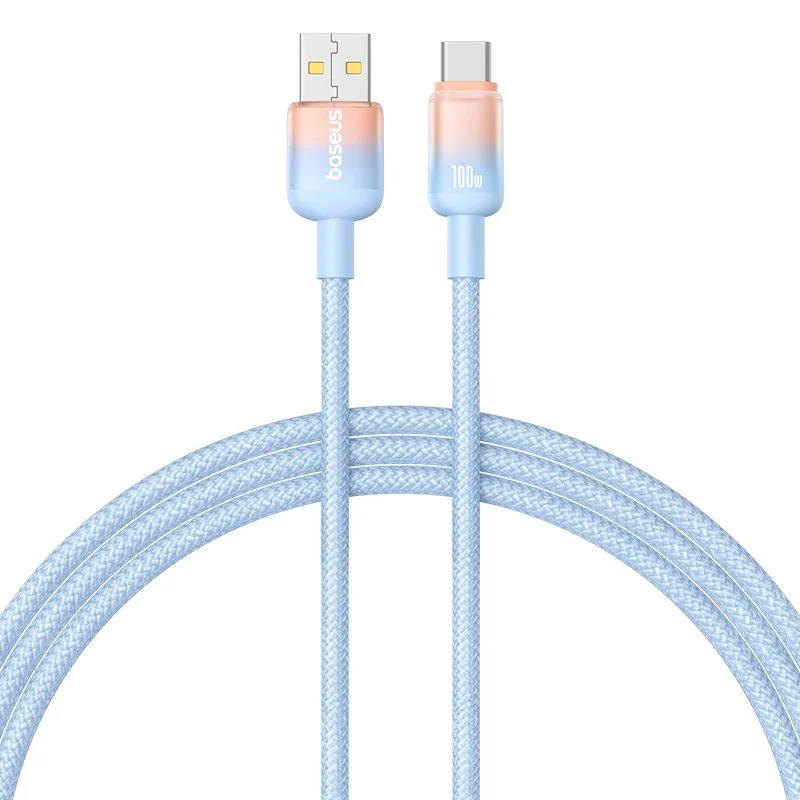
The Vietnamese market for phone accessories is experiencing strong growth, especially for iPhone charging cables. Besides brand and price, consumers are increasingly interested in technical factors such as copper core, wire cross-section, connector standard, and especially USB cable length. Many people wonder: does a longer USB cable result in slower charging? And how do iPhone charging cable manufacturers in Vietnam address this issue to ensure stable charging performance?
Why is USB Cable Length Important During Charging? -MyMy Technology
When an electric current flows through a conductor, it doesn't move completely "freely" but always encounters resistance. This resistance causes energy loss in the form of heat and reduces the voltage when the current reaches the device. This is why cable length can affect charging efficiency.
The longer the cable, the greater the total resistance. For example, a two-meter cable will have a higher resistance than a one-meter cable, all other factors being equal. As resistance increases, the voltage delivered to the device may experience a slight drop, especially when charging at high power. However, it cannot be simply concluded that longer cables always charge slowly and shorter cables always charge quickly.
What Factors Does Resistance Depend On? -MyMy Technology
The resistance of a conductor depends not only on its length but also on its cross-sectional area, material, and temperature. Of these, the most important factor for an iPhone charging cable is the cross-sectional area of the copper core inside. The thicker the wire, the lower the resistance and the more stable the current transmission.
In terms of materials, silver has the lowest electrical resistance, followed by copper, gold, and aluminum. However, due to its high cost, silver is rarely used for common cables. Most USB and Lightning cables today use copper or copper alloys because it strikes a balance between performance and manufacturing cost.
Temperature also affects resistance. When the ambient temperature is higher, the resistance increases. However, under normal operating conditions, the temperature difference is not large enough to create a significant difference between long and short cables.
Does a Longer USB Cable Slow Down Charging? -MyMy Technology
Technically, the answer is that voltage drop can occur if you use a cable that is too long and has a small wire cross-section. However, with standard 1-2 meter cables, the voltage drop is very small and hardly affects the actual charging speed.
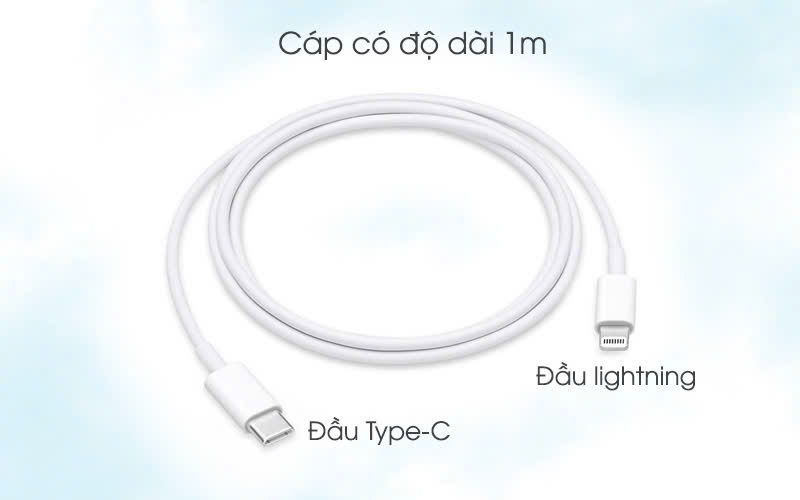
Within the Apple ecosystem, many devices support fast charging via the USB Type-C and Lightning standards. Products like the 12.9-inch iPad Pro have demonstrated high data and power transmission capabilities when using standard cables. This means that if the cable is designed to the correct specifications and has an appropriate length, it will not significantly affect performance.
The problem only really arises when users choose cheap cables with thin cores, unclear specifications, or those that lack quality certification. In such cases, even with a 1-meter cable, slow charging or abnormal overheating can still occur.
The Role of iPhone Charging Cable Manufacturing Factories in Vietnam -MyMy Technology
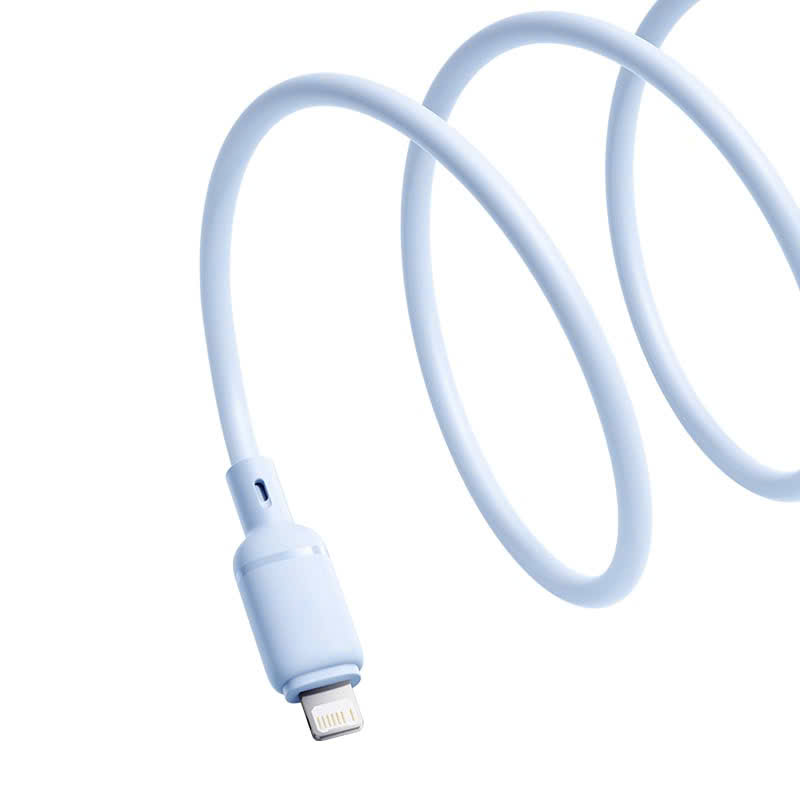
To ensure consistent performance, iPhone charging cable manufacturers in Vietnam need to maintain strict control from material selection to finished product testing. The copper core must have sufficient cross-sectional area to support Power Delivery fast charging. The Lightning connector needs a compatible chip to stabilize voltage and prevent accessory recognition errors.
In addition, the cable must undergo practical testing at various load levels to assess the potential for voltage drop as its length increases. Reputable workshops typically measure the overall resistance of the cable, test its temperature during continuous charging, and check its mechanical durability after thousands of bending cycles.
Should You Worry About USB Cable Length? -MyMy Technology
For typical usage, users don't need to worry too much about cable length, which is usually between 1-2 meters. The voltage drop within this range is generally very small and doesn't significantly affect charging speed. More important are the quality of the conductor core and the manufacturing standards.
If you need a longer cable, prioritize products that are USB-IF certified and from a reputable manufacturer. A standard cable not only ensures charging speed but also minimizes overheating, short circuits, and protects the battery life of your device.
Trends in iPhone Charging Cable Production in Vietnam -MyMy Technology
Amidst the growing demand for fast charging, Vietnamese manufacturers are investing heavily in automated production lines, precise voltage meters, and rigorous testing procedures. Products are not only focused on charging speed but also on optimizing noise immunity, reducing resistance, and increasing physical durability.
Domestic production allows for better quality control and reduces the risk of counterfeit goods. When choosing a manufacturer of iPhone charging cables in Vietnam, the most important criteria remain safety, stable current flow, and the ability to maintain performance even as the cable length increases.
Conclude
The length of a USB cable can affect the charging process due to electrical resistance, but the extent of this impact depends on the wire's cross-sectional area, materials, and manufacturing standards. With standard cables and common lengths of 1–2 meters, users don't need to worry too much about charging speed.
MyMy Technology When choosing a reputable iPhone charging cable manufacturer, prioritize those with a clear quality control process, using high-quality copper cores, and ensuring precise technical specifications. A good cable not only provides stable charging but also protects your device safely throughout its long-term use.