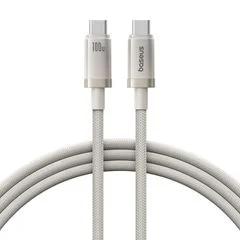
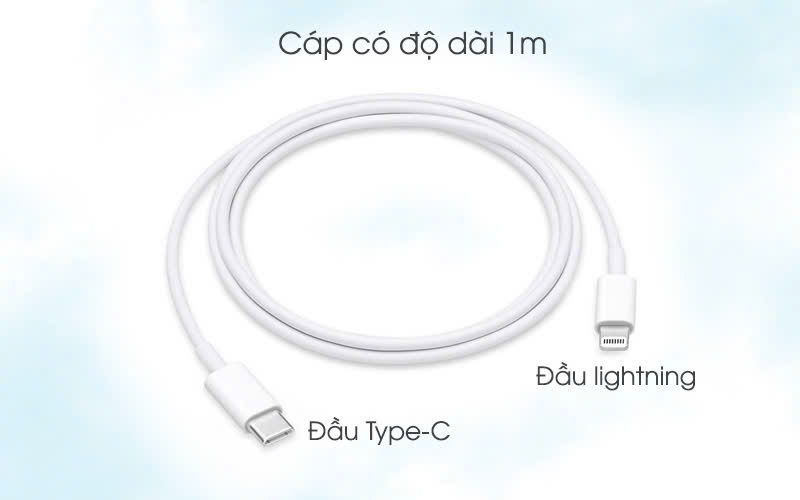
Manufacturing iPhone charging cables for export in Vietnam.
Manufacturing iPhone charging cables for export in Vietnam.
With iPhones increasingly using the USB-C standard and high-power fast charging, charging cables are no longer just simple accessories but have become components that directly affect safety and charging performance. For export markets, the requirements for durability, load capacity, and technical standards are even more stringent. MyMy Technology iPhone charging cable factories in Vietnam are heavily investing in cable braiding technology, materials, connector design, and comprehensive quality control processes.
How does cable braiding technology increase durability?
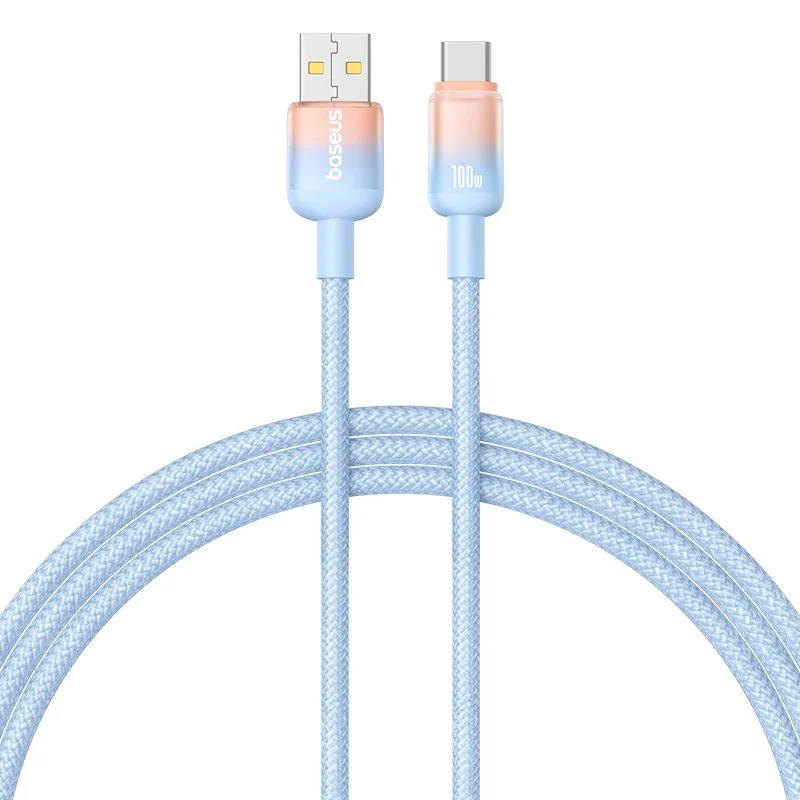
Braiding technology is a key factor determining the lifespan of iPhone charging cables. Instead of the traditional smooth wire structure, braided cables use multiple interwoven strands of material, which helps distribute pulling and bending forces during use. This minimizes the risk of internal copper core breakage, a common problem with low-quality cables. For export products, braiding technology also helps the cable withstand long-distance shipping and frequent use.
Cable sheathing protects against bending and breakage during export.
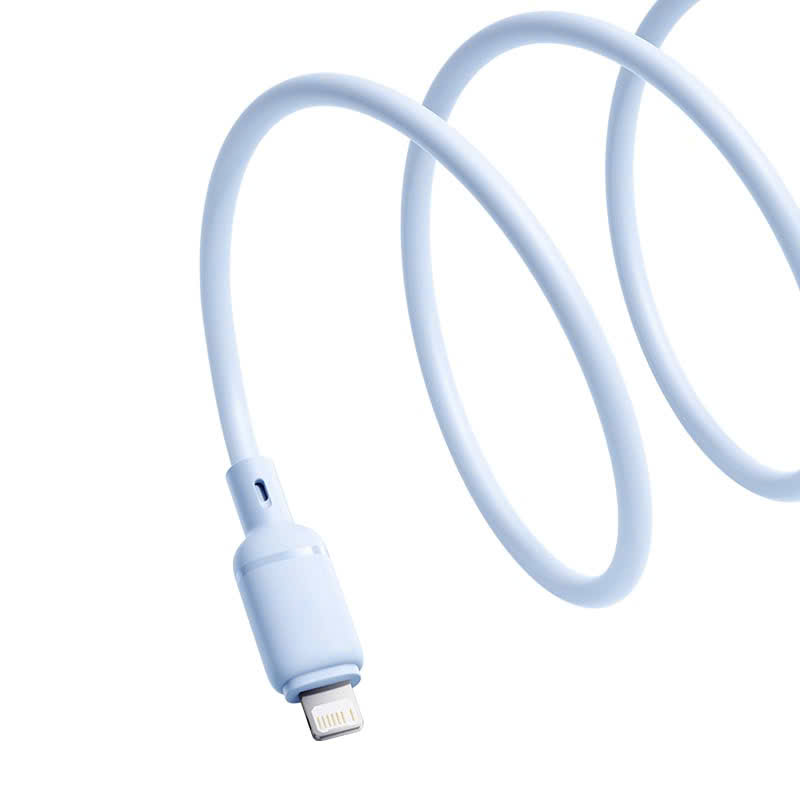
The outer sheath of the cable protects the conductive core and internal circuitry. Factories producing iPhone charging cables for export in Vietnam typically use TPE plastic or braided nylon, which are highly elastic and resistant to breakage. This sheath prevents the cable from becoming brittle over time, especially when used in environments with fluctuating temperatures, meeting the stringent requirements of international markets.
What standards are required for a USB-C connector?
The USB-C connector is the part that makes direct contact with the device and the charger, therefore requiring very high precision. For exported iPhone charging cables, the USB-C connector must ensure a tight fit, stable contact, and the ability to be plugged in and unplugged many times without loosening. In addition, the metal material used for the connector needs to be oxidation-resistant to maintain stable signal throughout the product's lifespan.
IC E-marker in Fast Charging Cable
The IC E-marker is a crucial component in high-power, fast-charging USB-C cables. This chip is responsible for communication between the cable, charger, and device to determine the current handling capacity. Thanks to the IC E-marker, the cable can ensure that only the appropriate power level is transmitted, preventing overload that could cause the cable to overheat or damage the device. This is a nearly mandatory standard for exported iPhone charging cables.
Temperature Control on High-Power Charging Cables
During fast charging, high current generates heat during transmission. Manufacturers in Vietnam must design cables with excellent heat dissipation capabilities, from the copper core and insulation to the outer casing. Effective heat control ensures stable cable operation, prevents abnormal overheating, and guarantees the safety of the iPhone battery, especially when charging at high power for short periods.
Current Load Capacity of Cables
Current carrying capacity is a core factor for exported iPhone charging cables. The cable needs to be designed to transmit a stable current, minimizing loss and preventing voltage drops. This largely depends on the copper core cross-section and the quality of the insulation material. A standard cable will ensure the device receives sufficient charging power, shortening charging time without affecting battery life.
Why do low-quality cables overheat easily? - MyMy Technology
Low-quality cables often use thin conductive cores, mixed materials, and lack current-controlling ICs. When transmitting power, the high resistance generates significant heat, causing the cable to overheat. This not only reduces charging efficiency but also poses a safety risk to users, especially on fast-charging iPhones.
Common Technical Errors When Processing Cables - MyMy Technology
During cable manufacturing, common technical errors include internal copper core breaks, insecure connector soldering, uneven sheathing, or incorrect E-marker IC specifications. If these errors are not detected early, they will directly affect product quality during export, damaging the company's reputation.
iPhone Charging Cable Manufacturing Process at the Factory
The manufacturing process for iPhone charging cables at the factory typically begins with drawing the copper core, applying insulation, braiding the cable, assembling the USB-C connector, integrating the E-marker IC, and finishing the outer casing. Each stage is strictly controlled to ensure the cable meets technical standards before export.
The Process of Selecting Raw Materials for Export
The quality of the cables largely determines their quality. Export factories in Vietnam prioritize pure copper cores, heat-resistant insulation materials, and standard-compliant electronic components. Strict control of raw materials helps minimize defects during production and ensures consistent quality for each batch.
Quality Control in Cable Production - MyMy Technology
Quality control is implemented throughout the entire process, from input to output. The cables are tested for electrical parameters, transmission capacity, signal stability, and safety during fast charging. This is an essential step for exported iPhone charging cables, to meet the stringent requirements of the international market.
Current Testing Before Shipment - MyMy Technology
Before shipment, each cable undergoes a real-world current test. This process helps determine its load capacity, voltage stability, and detect potential faults early. Only products that meet the standards are packaged and exported.
Testing the Mechanical Strength of Cables - MyMy Technology
In addition to electrical performance, cables must also pass mechanical durability tests such as bending, stretching, and repeated plugging and unplugging. This is a crucial criterion to ensure the cable operates reliably throughout its lifespan, meeting the expectations of iPhone users in the international market.
Conclusion
Producing iPhone charging cables for export in Vietnam is not just about cost; it's also about systematic investment in technology, materials, and quality control. From cable braiding technology and USB-C connector design to rigorous testing procedures, every detail contributes to creating a durable, safe product that meets global standards. This is the foundation that helps Vietnamese businesses enhance their position in the international iPhone accessory supply chain.