Power Bank Contract Manufacturing (Gia Công Sạc Dự Phòng) in Vietnam
Power Banks – The Convergence of Batteries and Electronics

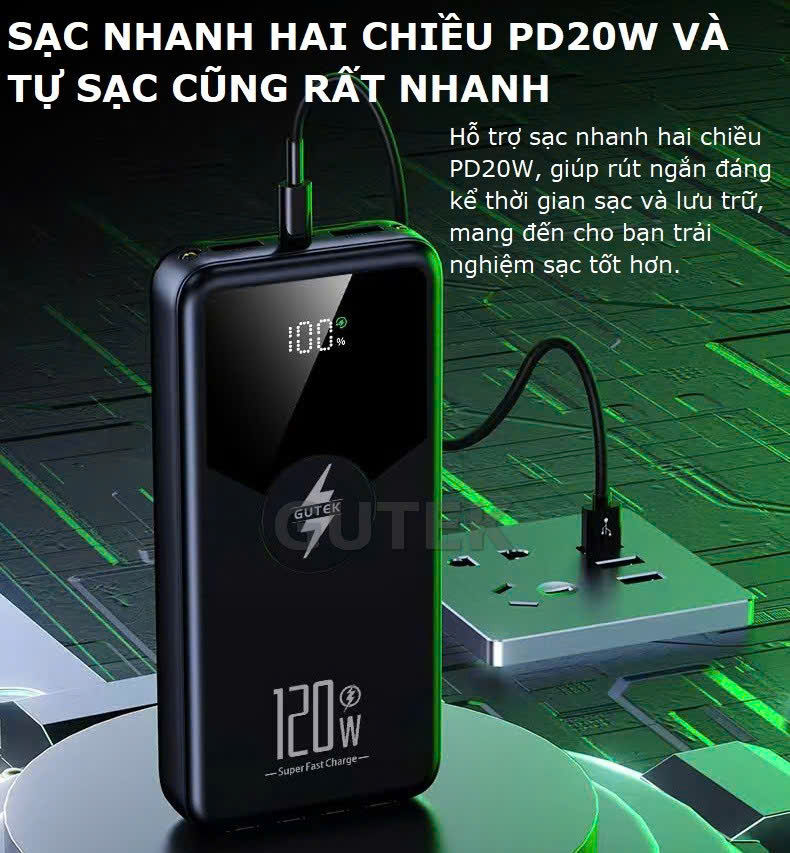
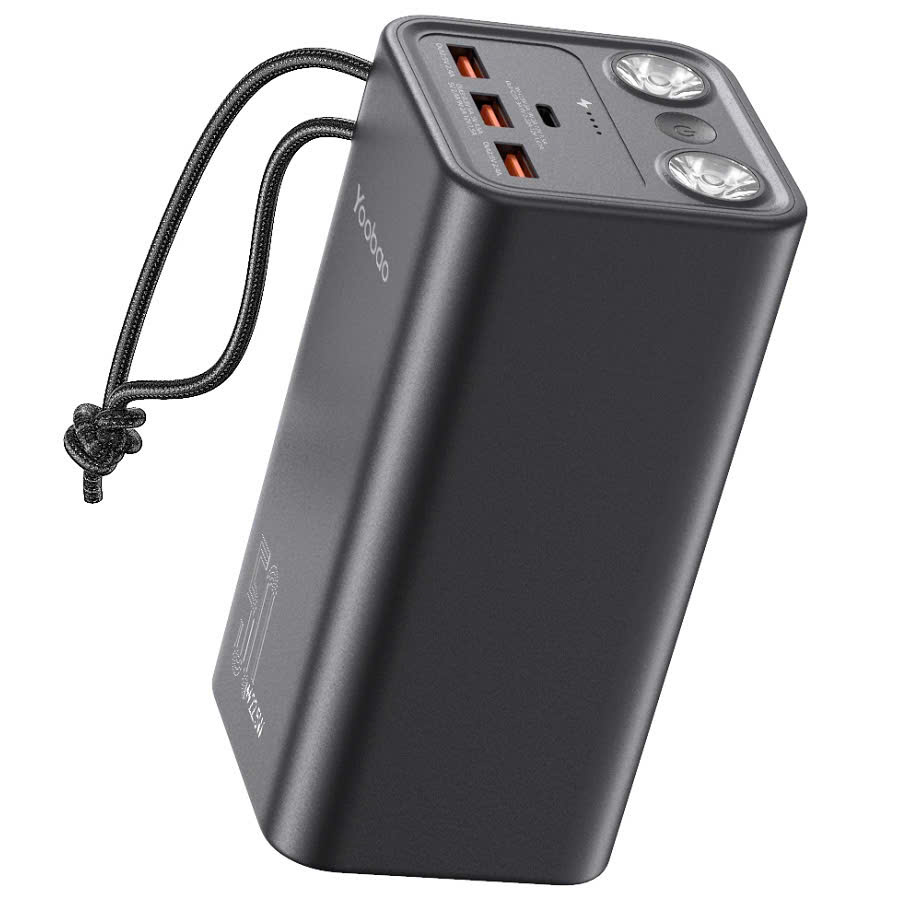
The Power Bank (Sạc Dự Phòng) is a complex electronic device that combines high-capacity Lithium-ion or Lithium-Polymer cells with sophisticated power electronics (PCBA) for charging and safety management. Contract manufacturing of power banks (Gia Công Sạc Dự Phòng) in Vietnam is a high-stakes business, as quality control directly impacts fire safety and product reliability.
This article details the specialized requirements and key operational areas where Vietnamese factories excel in the contract manufacturing of power banks, focusing on battery handling, safety protocols, and supply chain management.
I. The Core Technical Challenge: Battery Management System (BMS)
The heart of a high-quality power bank is the Battery Management System (BMS), located on the PCBA. Factories in Vietnam must demonstrate mastery in assembling and testing the PCBA that hosts the BMS.
1. Critical BMS Functions
A reliable power bank manufacturer must ensure their assembled circuit boards perform the following non-negotiable safety functions:
-
Over-Charge Protection (OCP): Prevents the battery cells from being charged past their safe voltage limit, which is the primary cause of battery swelling and fire risk.
-
Over-Discharge Protection (ODP): Prevents the cells from draining below a safe voltage, which can cause permanent damage to the cell's lifespan and capacity.
-
Short-Circuit Protection (SCP): Instantly shuts down the output if a short circuit is detected.
-
Thermal Monitoring: Integrating temperature sensors (thermistors) to monitor battery cell temperature and shut down the unit if it exceeds a critical threshold during charging or discharging.
2. Assembly Precision and Quality - MyMy Technology
Vietnamese factories must execute precision assembly in two key areas:
-
PCBA Assembly: Highly automated SMT (Surface Mount Technology) lines are used to place the charging controller ICs and protection circuitry.
-
Battery Cell Spot Welding: Battery tabs must be spot-welded to the PCBA connections with extremely high accuracy and low heat. Poor welding can cause high resistance, leading to heat generation and potential failure.
II. Compliance and Safety Standards (Non-Negotiable for Export) - MyMy Technology
For power banks, safety compliance goes beyond typical electronics and focuses heavily on fire risk and shipping regulations.
1. UN 38.3 (Shipping Certification) - MyMy Technology
-
Mandatory for Air Freight: Power banks, classified as hazardous goods, require UN 38.3 certification to be legally shipped via air cargo globally. This certification verifies that the battery can withstand changes in altitude, temperature extremes, vibration, shock, external short circuits, and overcharge.
-
Factory Responsibility: Contract manufacturers are responsible for conducting or coordinating these tests for their clients, ensuring the design and assembly meet the rigorous testing standards.
2. Other Key Certifications - MyMy Technology
-
IEC 62133: Global standard for safety requirements for portable sealed secondary cells and batteries.
-
CE/FCC/UL: Standard consumer electronics safety certifications required for sale in key export markets (Europe, US). UL 2056 is the specific safety standard for power banks in the U.S.
III. Contract Manufacturing Workflow in Vietnam
Companies seeking to outsource power bank production (OEM/ODM) to Vietnam follow a specialized workflow:
| Stage | Vietnamese Factory Role | Technical Requirement |
| I. Sourcing | Procuring authenticated battery cells (e.g., Samsung, LG, or Chinese Tier-1) and high-quality ICs (e.g., from Texas Instruments, etc.). | Strict Incoming Quality Control (IQC) to verify cell capacity and internal resistance using specialized battery testing equipment. |
| II. Production | Assembling the PCBA, spot welding cells, wiring, and sealing the unit within the plastic/metal casing. | Operating specialized spot welding equipment and maintaining ESD (Electrostatic Discharge) controls. |
| III. Testing | Performing internal function tests and safety certification testing. | Running Load Testing, Cycle Testing (charge/discharge cycles), and Safety Trigger Tests (forcing a short circuit to verify the BMS shutdown function). |
| IV. Export | Preparing hazardous goods documentation. | Ensuring products are labeled and packaged according to IATA (International Air Transport Association) and UN 38.3 regulations. |
IV. Conclusion
Contract manufacturing of power banks in Vietnam is a high-value sector demonstrating sophisticated technical and logistical capabilities. Success hinges on a factory's ability to seamlessly integrate advanced BMS technology with rigorous assembly techniques and, critically, comply with the complex international hazardous goods and safety standards like UN 38.3.
Vietnamese facilities that master these controls are positioned as essential partners for global brands looking for reliable, scalable, and safe production of portable power solutions.
Power Bank Contract Manufacturing (Gia Công Sạc Dự Phòng) in Vietnam