Technical Deep Dive: Inside the Modern iPhone Fast Charging Cable Workshop in Vietnam
Introduction: From Raw Wire to High-Speed Connectivity

The workshops dedicated to manufacturing fast charging cables for iPhones and iPads in Vietnam are high-tech facilities designed for extreme precision. To reliably support USB Power Delivery (PD) protocols and comply with the crucial MFi certification, these factory floors must adhere to stringent operational and environmental controls.
This article takes readers inside a typical Vietnamese fast charging cable manufacturing facility, detailing how companies like MyMy Technology implement Lean Manufacturing principles and specialized Quality Control (QC) stations to ensure every cable is durable, safe, and electrically compliant.
1. Workshop Environment and Control Standards
A modern cable workshop must operate under conditions that protect both the materials and the delicate electronic components involved in fast charging.
A. Electrostatic Discharge (ESD) Control is Paramount
The small electronic chips (like the MFi authentication chip and E-Marker chip) are highly susceptible to damage from static electricity. ESD can cause immediate failure or latent defects that only appear months later.
-
ESD Protected Areas (EPA): The entire assembly floor where sensitive electronics are handled is designated an EPA. Workers wear antistatic garments, grounded wrist straps, and specialized footwear. Floors are made of conductive materials to dissipate static charge.
-
Humidity Management: Humidity levels are strictly controlled (typically 40-60%) within the workshop environment. This management is crucial because high humidity can accelerate corrosion, while low humidity increases the risk of static buildup.
B. Lean and Automated Layout MyMy Technology
The physical layout is optimized for efficiency and minimal material waste, adhering to Lean Manufacturing philosophy:
-
U-Shaped Production Lines: Assembly lines are often configured in a U-shape. This allows workers to manage consecutive processes easily, minimizes the distance materials travel, and improves the overall throughput (the rate at which product is processed).
-
Automated Material Handling: In large-scale operations, Automated Guided Vehicles (AGVs) are used to shuttle large spools of cable and component trays between warehousing and the production lines, ensuring Just-In-Time (JIT) material supply and reducing manual handling errors.
2. High-Precision Cable Production Processes
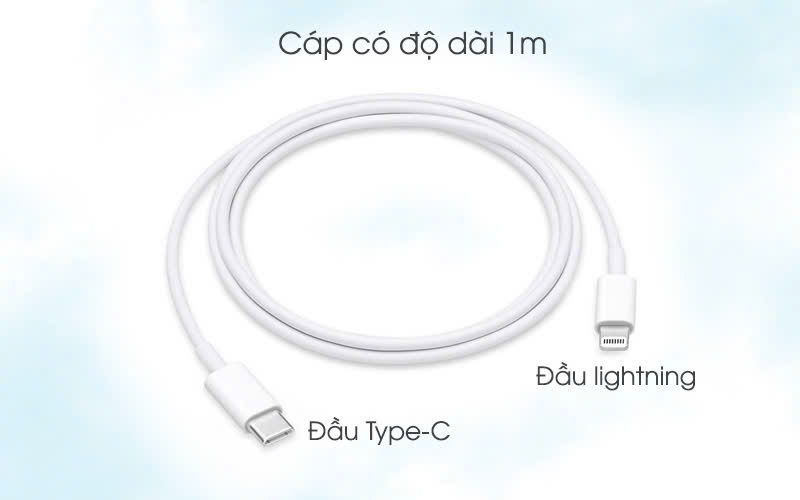
Manufacturing a reliable fast charging cable (USB-C to Lightning or USB-C to USB-C) involves several technically demanding steps, many of which are highly automated in Vietnamese facilities.
A. Automated Wire Processing
-
Cut, Separate, and Strip Machines: Specialized, high-precision automated machines cut the bulk cable to exact lengths, separate the internal wires (power, data, and ground), and strip the insulation coating from the ends. Precision is paramount here; even a microscopic nick in the copper wires can compromise the cable’s ability to carry high current.
-
In-line Resistance Testing: Immediately after stripping, the machines often perform an automatic continuity and resistance check on the copper conductors. This ensures the wire gauge is correct and electrically ready to support the high current required for Power Delivery (PD) without overheating.
B. Connector Soldering and Assembly MyMy Technology
This is the most technically advanced stage, where durability and functionality are determined.
-
Robotic Laser Welding: Leading factories use robotic laser welding to fuse the fine wire strands and the delicate MFi or E-Marker chip connections to the PCB inside the connector shell. Laser welding offers a consistent, high-strength bond that is far superior to traditional manual soldering, directly eliminating a major failure point in consumer cables.
-
First Injection Molding (Internal Stabilization): Once the electronic components are welded, a first layer of rigid plastic is injected around the connections to secure the internal components and protect the sensitive solder points from physical stress.
C. Strain Relief and Overmolding
-
Final Overmolding: The final exterior jacket and the crucial strain relief are applied using highly controlled injection molding processes. Flexible, durable materials (like high-grade TPE or Silicone) are used to create a strong, flexible bond where the cable meets the rigid connector housing. This is the single most important step for ensuring the cable survives thousands of bend cycles without failure.
3. Integrated Quality Control on the Factory Floor (In-Line QC)
Modern Vietnamese workshops integrate QC testing directly into the production line, ensuring immediate defect detection rather than waiting for final inspection.
A. Automated Electrical and Protocol Testing MyMy Technology
-
MFi/E-Marker Handshake Verification: Automated testing rigs connect to every single cable to verify the internal chips are communicating correctly. For PD, the test ensures the cable can successfully negotiate the high-voltage/high-current requirements (e.g., 9V/2.22A for 20W charging).
-
Data Integrity Testing: High-speed data transmission is tested simultaneously with power transfer. The cable must pass a Bit Error Rate Test (BERT) to ensure signal integrity for syncing and data transfer with an iPhone or iPad.
B. Durability and Mechanical Testing Stations MyMy Technology
-
Automated Bend Cycle Testing: Random samples from the line are immediately taken to specialized machines that continuously bend the cable at the strain relief point (typically 90-180 degrees) for thousands of cycles. A target of 5,000 to 10,000 bends is common for high-quality OEM/ODM cables.
-
Pull Force Testing: Machines test the tensile strength of the connector bond by applying a calibrated amount of force to ensure the cable cannot be easily pulled out of the connector shell.
The sophistication of these manufacturing workshops in Vietnam is a clear indicator that they are not just mass producers but are mastering the complex engineering required to build reliable, certified fast charging accessories for the global market.
Technical Deep Dive: Inside the Modern iPhone Fast Charging Cable Workshop in Vietnam