The Manufacturing Landscape of iPhone Charging Cables in Vietnam
: From Lightning to USB-C – Vietnam’s Adaptability - MyMy Technology

The iPhone charging cable has undergone a significant transformation, moving from the proprietary Lightning connector to the universal USB-C standard across the latest models. This shift, driven by regulatory demands and technological convergence, requires extreme adaptability and high-level engineering from manufacturers.
Vietnam, already a core hub for accessory production, has quickly pivoted to become a major manufacturer of these new generation USB-C cables, maintaining production of older Lightning cables for the existing installed base. This article provides a comprehensive overview of the current state of iPhone charging cable manufacturing in Vietnam, focusing on key technologies and emerging trends like sustainability.
I. The Dual Production Mandate: Lightning and USB-C MyMy Technology
Vietnamese factories must now simultaneously manage the production of two distinct cable types, each with its own technical challenges:
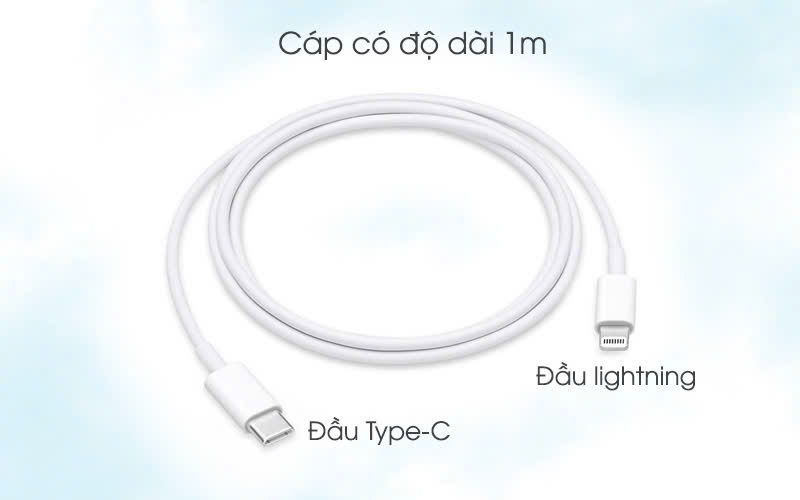
1. USB-C to Lightning Cables (Legacy/Installed Base)
-
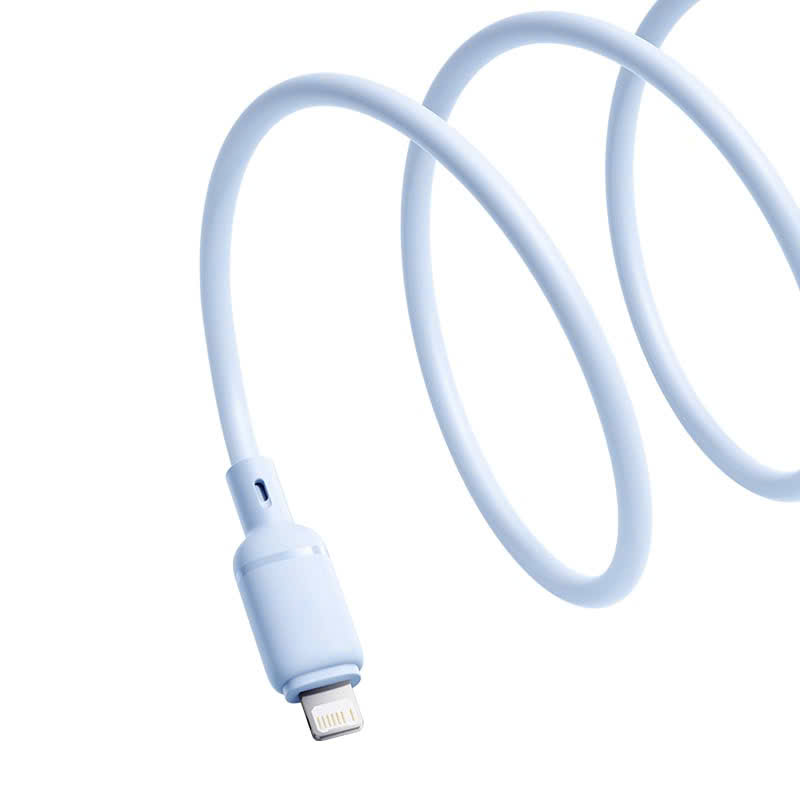
Key Challenge: MFi Certification: Production is governed by Apple's strict MFi (Made for iPhone/iPad/iPod) licensing program. Manufacturers must possess the capability to securely integrate the proprietary authentication chip within the Lightning connector.
-
Vietnamese Expertise: Manufacturers have mastered the intricate process of micro-soldering and laser welding required to secure this chip, ensuring the cables are functional and reliable with millions of older iPhones and iPads globally.
2. USB-C to USB-C Cables (The New Standard) MyMy Technology
-
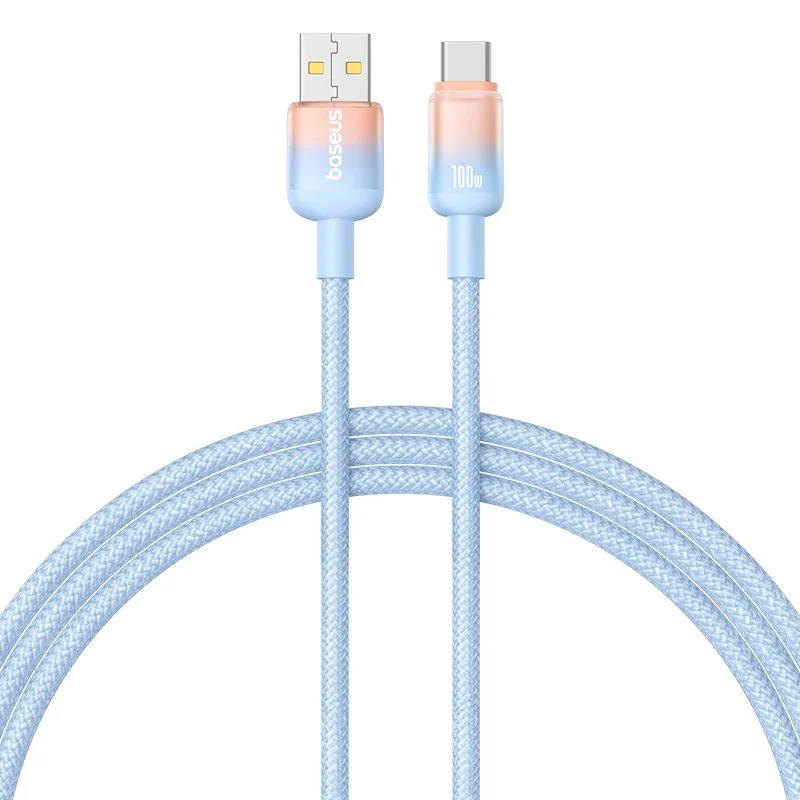
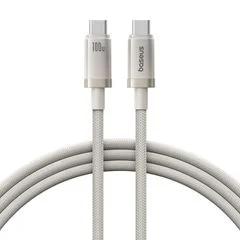
Key Challenge: E-Marker Chip and High Power: These cables, especially those capable of carrying high power for fast charging (30W+ for iPads and higher for MacBooks), must incorporate an E-Marker chip. This chip communicates the cable’s power and speed capabilities to the connected devices.
-
Vietnamese Expertise: Manufacturing these requires precise PCBA (Printed Circuit Board Assembly) within the small connector housing, and robust testing to verify Power Delivery (PD) negotiation up to the maximum rated wattage.
II. Core Manufacturing Technology: Precision and Durability MyMy Technology

The competitive advantage of "Made in Vietnam" cables lies in their commitment to technological investment, ensuring superior quality over cheaper alternatives.
-
Robotic Welding for Connectors: Factories utilize automated, high-precision laser welding for securing internal wire connections to the connector pins. This minimizes the risk of cold solder joints and dramatically increases the lifespan of the cable, addressing the number one consumer complaint: failure at the connector neck.
-
Advanced Material Science: Manufacturers are moving beyond cheap PVC. They use TPE (Thermoplastic Elastomer) for improved flexibility and Braided Nylon or Aramid Fiber reinforcement for strain relief and outer sheathing. This investment directly correlates with meeting the high durability standards required by international export clients.
-
Automated Stress Testing: Factories run continuous Bend Cycle Testing and Tensile Pull Testing in their Quality Control labs. This rigorous in-line sampling ensures that the final mass-produced product meets the engineered durability specifications (often 5,000 to 10,000 bend cycles).
III. The Sustainability and Compliance Imperative MyMy Technology
Modern cable manufacturing in Vietnam is increasingly influenced by global demands for environmentally responsible production.
-
Recycled Content Integration: Exporters are now required to integrate Post-Consumer Recycled (PCR) plastics into the cable jacket and connector housing. Vietnamese manufacturers must adjust their material procurement and injection molding processes to handle these recycled compounds while maintaining strict durability standards.
-
RoHS and REACH Compliance: Beyond electrical safety, all materials used must comply with global directives restricting hazardous substances (RoHS) and ensuring responsible chemical registration (REACH), which is mandatory for exporting to the EU.
-
Packaging Reduction: Factories are optimizing packaging to eliminate single-use plastics and unnecessary bulk, focusing on recyclable paper and cardboard, aligning with the sustainability goals of Apple and major retail chains.
IV. Key Vietnamese Players in Cable Manufacturing
Companies operating in Vietnam are essential for the global accessory market:
-
MyMy Technology: A strong domestic example of a company focused on both cable and charger production, emphasizing quality assurance and advanced manufacturing techniques (e.g., robotic welding) to serve the export market under the OEM/ODM model.
-
Multinational Contract Manufacturers: Large global contractors with massive operations in Vietnam ensure the scale and technological transfer needed to produce millions of MFi and USB-C PD certified cables annually for various global brands.
Conclusion: Vietnam’s Evolving Cable Strategy
Vietnam’s iPhone charging cable manufacturing sector is defined by its rapid adaptation to the new USB-C standard and its commitment to advanced manufacturing techniques and sustainability.
By mastering the complexities of the E-Marker chip, investing in robotic precision for superior durability, and strictly adhering to global safety and environmental certifications, the factories in Vietnam continue to solidify the country's reputation as a reliable, high-quality, and strategically important global hub for power and connectivity accessories.
The Manufacturing Landscape of iPhone Charging Cables in Vietnam