The Seventh Step: Differentiating Cable Manufacturers and Sustainable Sourcing in Vietnam
Introduction: Defining the Roles in Cable Manufacturing

In the complex world of the electronics supply chain, not all manufacturers play the same role. Especially in Vietnam, companies involved in producing iPhone and iPad charging cables fall into distinct categories: those that design and manufacture for others (OEM/ODM), and those that focus on building their own consumer brand (OBC).
This article clarifies these roles and delves into the operational focus of Vietnamese cable manufacturers. We will highlight the sophisticated steps local firms are taking, particularly in managing the supply of high-grade, sustainable materials—a growing prerequisite for working within the Apple ecosystem.
Understanding Manufacturer Roles in Vietnam
For high-volume products like charging cables, the Vietnamese manufacturing landscape is typically divided into three main operational models:
1. OEM (Original Equipment Manufacturer)
-
Role: Manufactures products based strictly on the designs, specifications, and quality standards provided by a client brand (e.g., a major US or European accessory company).
-
Focus: Production efficiency, cost control, and meeting stringent QC protocols (including MFi compliance).
-
Example: A Vietnamese factory producing a Ugreen or Anker cable exactly to that brand's specifications.
2. ODM (Original Design Manufacturer)
-
Role: Designs and manufactures products that the client brand then buys and re-brands. The manufacturer holds the IP for the cable design itself.
-
Focus: Innovation in design, material selection (e.g., using Aramid fibers for strength), and cost-effective engineering.
-
Example: MyMy Technology designing a fast-charging USB-C cable, which a client buys and sells under their own name. This demonstrates a higher level of technical sophistication.
3. OBC (Own Brand Creator/Builder)
-
Role: A company that handles all aspects, from design and manufacturing to marketing and sales under its own proprietary brand (e.g., some strong local Vietnamese brands).
-
Focus: Market recognition, direct consumer feedback, and retail distribution networks.
Vietnamese cable manufacturers like MyMy Technology often possess the capability to operate as both ODM (designing the core product) and OEM (executing client-specific branding and packaging).
The New Frontier: Sustainable and Durable Materials
Apple and major global tech companies are placing increasing emphasis on environmental responsibility. This trend directly impacts cable manufacturers in Vietnam, requiring a shift away from cheap, non-recyclable plastics toward sustainable, durable materials.
1. Focus on Durable Materials for Cable Longevity
The single most common failure point for charging cables is durability. Vietnamese factories address this by sourcing advanced materials:
-
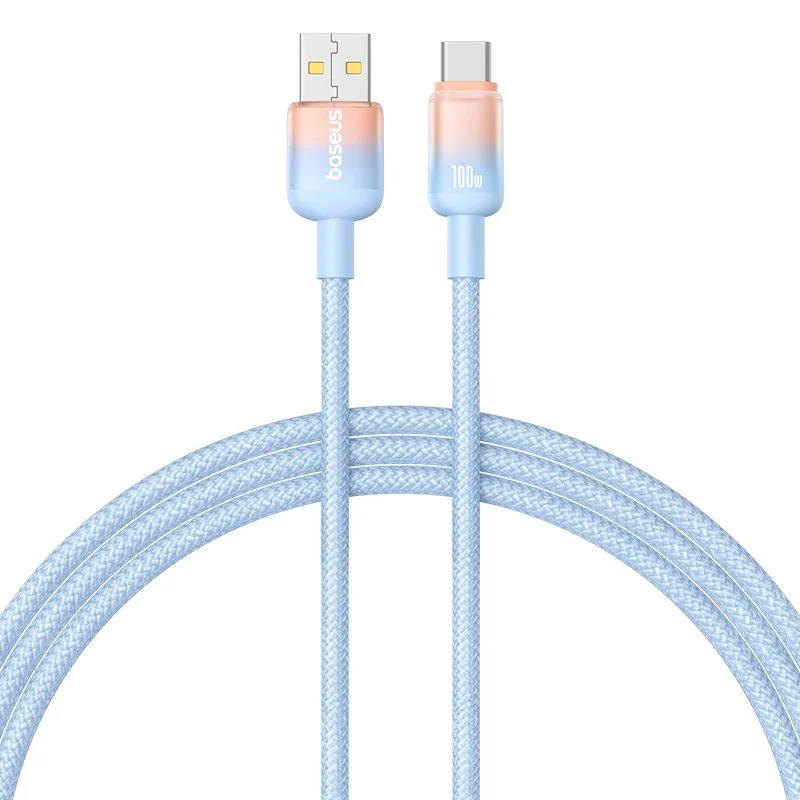
Aramid Fiber Reinforcement: High-end fast charging cables (like those needed for iPads) are often reinforced with synthetic fibers (like Kevlar or other Aramid variants) to dramatically increase tensile strength and resist tearing, increasing the cable's lifecycle and reducing electronic waste.
-
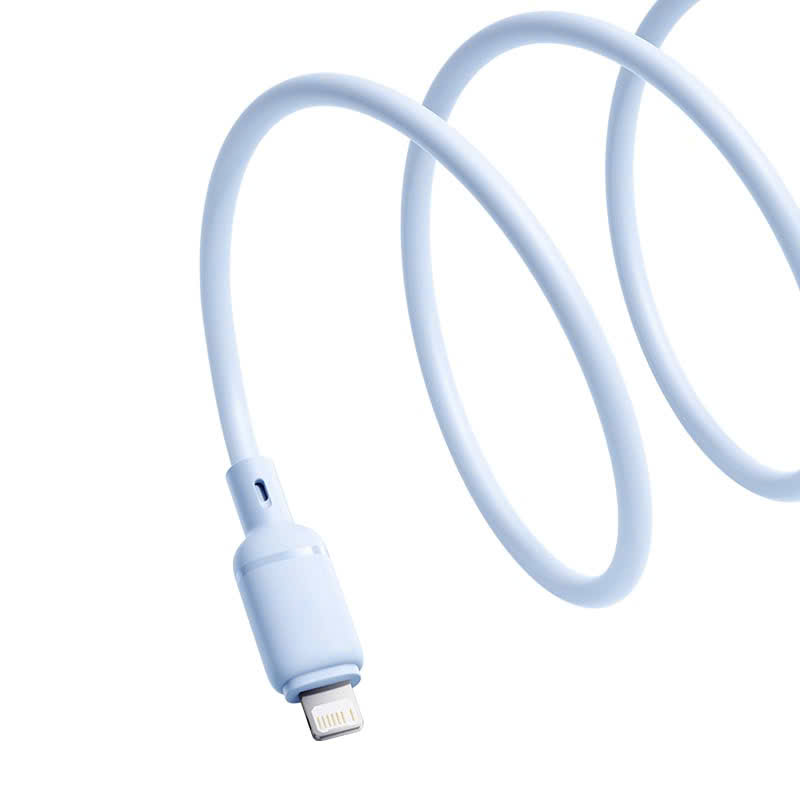
High-Flex TPE/Silicone: Using thermoplastic elastomers (TPE) or liquid silicone rubber (LSR) for the strain relief and jacket provides flexibility and resistance to kinking and cracking over time, far superior to standard PVC.
2. Adherence to Environmental Standards
-
RoHS Compliance: Mandatory for all electronics. Manufacturers must ensure that all materials used—from the copper wire insulation to the soldering flux—are free of hazardous substances like Lead, Cadmium, and Mercury.
-
Recycled Content: Manufacturers are increasingly required to use plastic casings and cable jackets made from Post-Consumer Recycled (PCR) plastics. This shift requires establishing new supply chain relationships and specialized handling within the factory.
-
Packaging: Factory operations are shifting toward using biodegradable or fully recycled paper-based packaging instead of single-use plastic trays.
MyMy Technology: Mastering the Material Supply Chain
For a company like MyMy Technology to succeed as a high-volume OEM/ODM for cables, they must master the procurement and integration of these sophisticated materials:
| Supply Chain Challenge | MyMy Technology’s Focus (Illustrative) |
| Material Verification | Testing Incoming Materials: Every batch of copper wire (for conductivity) and TPE pellet (for flexibility) is tested in-house to ensure it meets strict engineering tolerances before entering the assembly line. |
| Connector Sourcing | MFi/USB-C Component Procurement: Managing the secure supply of licensed MFi authentication chips and high-quality USB-C connectors, often from specialized Asian suppliers. |
| Waste Management | Scrap Recycling: Implementing dedicated processes for separating, shredding, and recycling manufacturing scrap materials (e.g., plastic sheaths, metal clippings) to minimize landfill waste and comply with sustainable manufacturing mandates. |
| Cost Management | Negotiating Volume Deals: Leveraging high production volumes to secure cost-effective pricing for advanced materials (like Aramid or PCR plastics) while maintaining profit margins for OEM/ODM clients. |
The Critical Manufacturing Step: Overmolding
In cable production, the final overmolding process is essential. This is where the plastic or rubber jacket is injection-molded over the assembled connector and strain relief.
-
Process Precision: The factory's injection molding machines must be highly accurate to ensure the material flows perfectly without damaging the internal soldered contacts or the sensitive chips.
-
Durability Outcome: A successful overmold process, combined with high-grade TPE, creates a seamless, durable strain relief that prevents the cable from separating, directly addressing the number one cause of cable failure.
Conclusion: Vietnam’s Versatility in Cable Production
The Vietnamese manufacturing sector, spearheaded by capable domestic firms and large contract manufacturers, demonstrates significant versatility in producing iPhone and iPad charging cables. They are adept at navigating the technical requirements of high-speed data transfer and Power Delivery (PD) protocols, including the intricate integration of MFi and E-Marker chips.
Furthermore, companies like MyMy Technology are evolving their operational practices to meet new global demands for sustainability and extreme durability, cementing their role as sophisticated ODMs and OEMs within the global accessory supply chain. By mastering both the technology and the materials science, Vietnam continues to reinforce its position as an indispensable global hub for consumer electronics manufacturing.
The Seventh Step: Differentiating Cable Manufacturers and Sustainable Sourcing in Vietnam